
China Sourcing Agents: Top 5 Buyers’ Questions
Sourcing agents play an increasingly important role in managing international supply chains. This guide brings together five of the questions buyers most often ask about their work, the situations where they can help, and the way their services are charged. Review these questions before choosing a sourcing partner.
What is a sourcing agent?
A sourcing agent is a person or company that helps buyers find suppliers and source products as needed. Like a real estate agent, they connect buyers with relevant resources, negotiate details and handle agreed tasks to make the process easier to manage.
With Alibaba making it easy to find Chinese suppliers and products, why work with a sourcing agent? Finding a listing is only the beginning. Sourcing products from China involves sampling, quality control and delivery to your destination, with many details to confirm between those steps.
When a sample, production schedule or packing detail does not match the plan, resolving the issue from another country can take time. A sourcing partner can coordinate the supplier communication and follow-up, helping you understand the available options and the next decision to make.
What does a sourcing agent do?
There are many buying agents in China. Their services generally fall into two types: one-stop sourcing support and single or partial sourcing tasks.
One-stop sourcing services
Sourcing companies with a team covering the relevant work may manage supplier communication, price negotiation, sampling, quality inspections, logistics, customization and new product development. The scope should explain which activities the company performs directly and which require a specialist or outside provider.
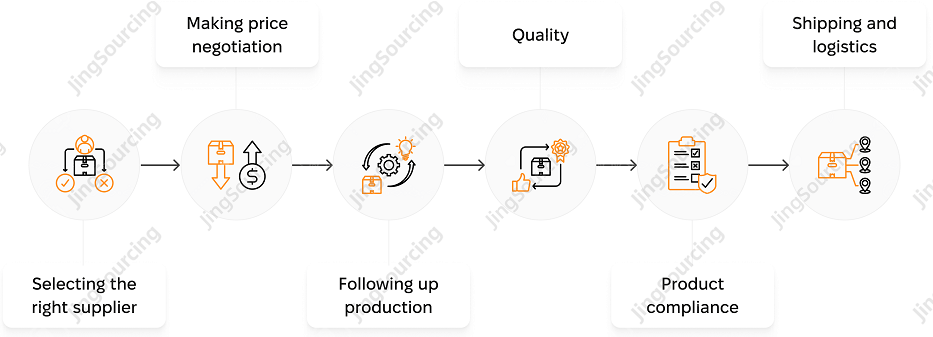
Comprehensive service depends on more than the headline number of employees. Ask who researches suppliers, who follows production and who checks the goods. Review the provider’s company information, and confirm the responsibilities assigned to each person in the agreed service scope.
This matters especially when improving an existing product or developing a new item. The team needs to understand the product, the design changes and the manufacturing process. Otherwise, a sample can be revised repeatedly while still falling short of the intended result. Months of revisions without clear progress can delay a planned product launch.
Ask to see relevant development examples and the records that will be supplied for your own project.
Single or partial sourcing service
Private agents on platforms such as Fiverr or Upwork, and many smaller sourcing companies, focus on selected tasks. Common services include translation, supplier information packages, product photography, sample consolidation, supplier audits, production tracking and consultation.
A buyer who manages the remaining order process might need only a factory visit, sample consolidation or help communicating a specification. Agree the deliverable, timing and fee.
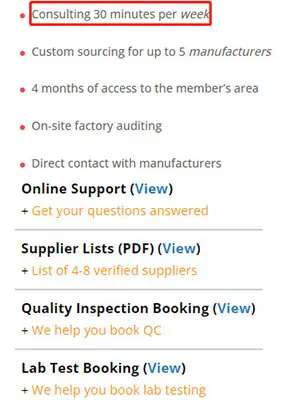
Here are third-party examples of consultation and membership-style sourcing services.

Who needs a sourcing agent? (5 types)
New to import with limited experience
Sourcing overseas involves language and cultural differences, as well as many business details to learn. For a beginner, it can be difficult to find enough time to follow every step, compare information from different suppliers and manage the decisions that arise during an order.
An experienced agent can support the agreed sourcing process. You can also learn practical product knowledge: how specifications affect quotations, what to check on samples and which records to keep before production.
Customize small batches to test new products and markets
Ecommerce sellers testing a new product may begin with a small customized batch, such as 300–500 units. That is an illustrative order size rather than a universal minimum: the feasible quantity depends on the product, materials, construction and amount of customization.
A buyer may spend time on Alibaba yet struggle to find a supplier whose pricing, sample quality and willingness to cooperate all match the brief. Comparing both larger and smaller factories can help identify different options for the project.
A trial budget of a few thousand dollars may suit some products, while others need more investment in samples, tooling or compliance work. QX’s actual costs and order requirements are confirmed in the project quotation.
Optimize the supply chain and save costs
Established businesses often reach the point where they need to optimize existing suppliers and review product, logistics and storage costs. At the same time, they want more consistent product quality, supply and reporting across the entire order process.
Larger international businesses may establish a purchasing office in China. Smaller and medium-sized businesses may use a sourcing company for part of that coordination instead. Amazon, Shopify and dropshipping sellers, for example, can need support in the following areas:
- Compare bulk-customization quotations against the same specification and order quantity.
- Agree delivery dates, quality requirements and the written process for handling defects or delays.
- Ship batches to designated fulfillment centers or arrange the agreed dropshipping workflow from China.
- Keep communication, production updates and approval records clear and accessible.
Confirm the actual coverage, inspection level, logistics arrangement and any compensation terms before ordering.
Source multiple product categories with ease
A sourcing partner can also help organize a broad product list. Common examples include purchasing for:
- A supermarket, restaurant, hotel or interior-design business.
- A retail store carrying pet supplies, party goods, stationery, beauty products, cosmetic packaging, home decor or furniture.
- Government, school or large-enterprise procurement projects.
- A personal project such as a home or café renovation.
A procurement list can contain hundreds or thousands of items from different suppliers. Visiting every factory is rarely practical, so organize specifications, quotations, samples and cargo-ready dates consistently.
For stable-selling products, direct bulk purchasing from the factory may remain suitable. For the rest of a varied assortment, an agent can compare options across suppliers. You select the products that meet the price and quality requirements while keeping a clear record of what has been approved.
Source specialized items
Some categories, such as chemicals, medical products, machinery or highly technical components, need specialist knowledge beyond everyday consumer goods sourcing. It may be difficult to identify a suitable supplier solely through an online listing or a trade-show visit.
Work with an industry specialist, and confirm the product’s technical documentation and destination requirements before ordering.
What about China sourcing agent fees?
Sourcing agents commonly charge either a fixed amount for a task or period of work, or a commission based on the order amount. Compare the full scope and total cost rather than the headline fee alone.
Flat charges
Private sourcing agents and small sourcing companies may quote a fixed fee per project or for a period such as an hour, week or month. This can suit short-term or one-time work where the required output is clear.
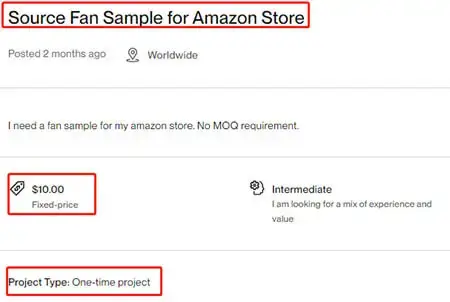
Some experienced buyers hire a private agent for several weeks or months to help find suppliers, translate or coordinate communication. The buyer continues managing the rest of the order. Confirm availability, reporting and the task boundaries before agreeing the period of support.
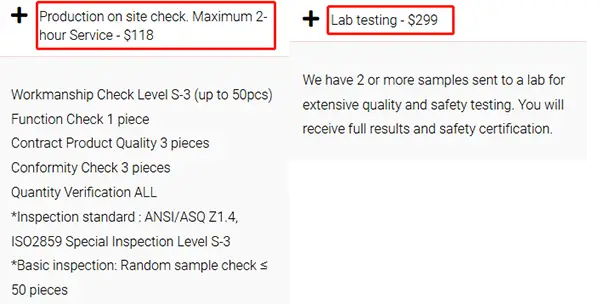
A small sourcing agency may instead specialize in a category or a defined service such as supplier research, quality inspection or logistics arrangements. A flat fee per project can be appropriate when your need matches that service and the deliverable is agreed in advance.
Commissions
Commission-based pricing is also used by sourcing companies, with a percentage charged against the purchasing value. A commonly discussed consumer-product example is 5–10% of the order amount. This illustrates a pricing model; it is not a fixed QX service charge.
Very low commissions or a free trial order do not necessarily mean the lowest total cost. Compare the product quotation, logistics fees, inspection work and level of production follow-up. A low visible fee may be accompanied by higher charges elsewhere or a narrower service scope.
For a highly competitive product such as rolled steel, or a large order above $500,000, a smaller percentage—around 3% or sometimes lower—may appear in a market quotation. The actual arrangement depends on the product, purchasing value, risks and work involved.
QX fees, minimum charges and responsibilities will be stated in a written project quotation.
4 practical tips to find reliable sourcing agents
1. Choose the sourcing agent located in industry clusters.
Many sourcing companies operate in Yiwu, Guangzhou and Shenzhen. These locations give access to factory resources in the Pearl River Delta and Yangtze River Delta, two important manufacturing regions in China. Proximity to relevant suppliers and transport links can help with visits, sample coordination and consolidating goods for shipment.
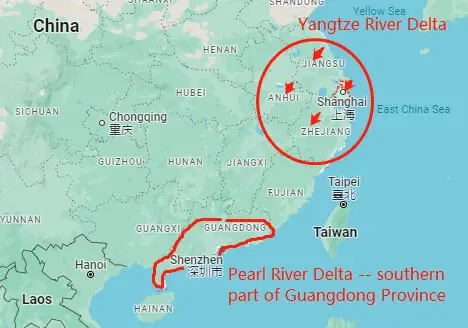
Consider the cluster that matches your product rather than choosing a location by name alone. Ask where the proposed factories are, how visits or inspections are arranged and how orders from different locations will be brought together.
2. Choose the sourcing agent with a professional support team.
Many companies advertise similar sourcing services, and communication at the quotation stage may appear equally reliable. The differences become clearer when samples need revisions, production slips or a quality issue needs to be resolved.
Effective sourcing takes product knowledge, supplier experience and coordination across the people doing the work. Ask how supplier research, production follow-up and quality control are managed, and what happens when an exception needs to be escalated.
A business license and a website are only a starting point. Review the team’s relevant experience, workflow and records so you can judge whether it can deliver the scope you need. Ask for supporting company information and a clear explanation of the people and processes assigned to your project.
3. Choose the sourcing agents with transparent pricing
Clear service charges and detailed product quotations matter, especially for customized products such as electronics. Components including circuit boards, chips and aluminum can vary in cost with the specification and market conditions. Different material choices can also produce very different quotations.
Break the project into sampling, molding, testing, bulk production, packaging and shipping. Compare offers with the same specification, quantity and trade terms. Ask how design or material changes affect the total cost.
4. Choose the sourcing agents specialized in a certain product type.
Category-specific expertise can be valuable for products such as chemicals, machinery or large furniture. A specialist should understand the important material, manufacturing and testing questions for the application and know what evidence to request from a supplier.
Discuss the specifications and checks for your exact product before agreeing the work.
Before we wrap up
The right sourcing partner should fit your product, business stage and way of working. Look for clear communication, relevant product knowledge, transparent methods and practical records of the work. Understand the responsibilities and costs before committing to a project.
If you would like to discuss a sourcing request with QX, prepare the product reference, specifications, estimated quantity and destination. These details help define a useful first conversation and a clear scope for the next step.
Need better control when sourcing from China?
- Supplier evaluation against your brief.
- Support tailored to the agreed project scope.
- Documented quality and delivery requirements.
Comments
Reader comments will appear after publication and comment setup.